
What an inspiring experience last week at IFM Business School in Geneva!
I was honoured to be invited by Cyrille Alheritiere to speak to his MBA Negotiations class on one of the most important early-career topics: how to prepare for salary negotiations. The students’ thoughtful questions, active participation, and curiosity made the session a real pleasure, and it was wonderful to see such engagement from future leaders.
Why Your First Salary Negotiation Matters
Many early-career professionals underestimate how much influence they actually have over their first job offer. Yet this initial negotiation sets the tone not only for starting salary, but for future earnings, opportunities, and confidence in one’s career journey. Learning how to negotiate early is a professional skill that pays off over time.
Understanding the Full Compensation Package
Salary is only one part of the total offer. A strong negotiation looks at the complete package, which may include:
- Base salary
- Performance bonus
- Benefits
- Non-monetary perks
Many organisations and job platforms now publish salary ranges or grids, making it easier to research market expectations and enter conversations from an informed position.
Benefits That Make a Real Difference
Beyond base pay, benefits can significantly improve both quality of life and personal development. Some of the most valuable include:
- Health insurance and pension contributions
- Relocation or housing assistance
- Company discounts
- Access to training and professional development
- Remote or flexible working arrangements
- Additional holidays
- Childcare support
- Free meals or on-site services
Understanding what matters most to you when starting your first job is a key part of negotiation preparation.

Communicating Your Value with Confidence
A successful negotiation begins with knowing your own strengths. Candidates who can clearly express their achievements, skills, and potential value stand out. Storytelling can play a powerful role at this stage, helping candidates give concrete, memorable examples during interviews and salary discussions.
The Power of the “Success Bank”
During the session, we explored a tool I like to call the Success Bank:
- List several personal achievements.
- Identify the skills you developed as a result.
This exercise helps candidates build confidence, recognise the value they already bring, and create a library of examples they can draw upon during interviews and negotiations.
Self-Awareness Is the Foundation
Negotiation is not only about asking; it’s about understanding what you need and what you offer. When candidates know their goals, priorities, and strengths, they enter the conversation empowered, prepared, and aligned with the opportunities that are genuinely right for them.
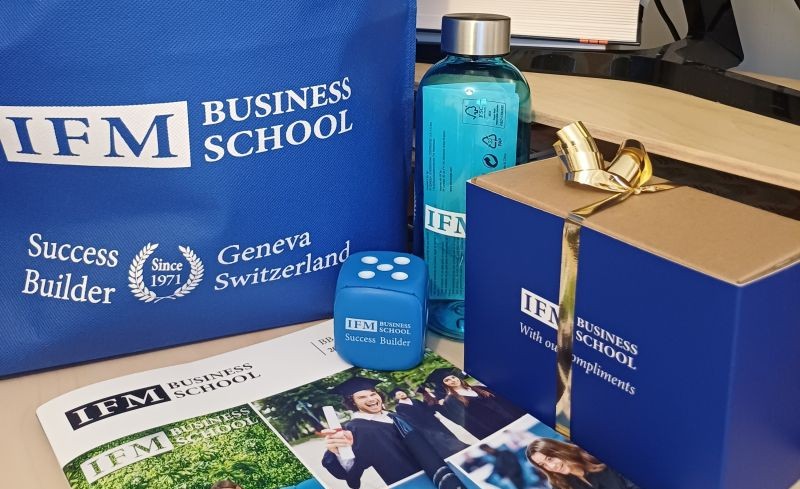
A special thank you as well for the thoughtful goodie bag – such a lovely gesture and much appreciated.
I look forward to watching these students grow, develop, and use their negotiation skills to shape exciting careers ahead.
 Missing Jigsaw